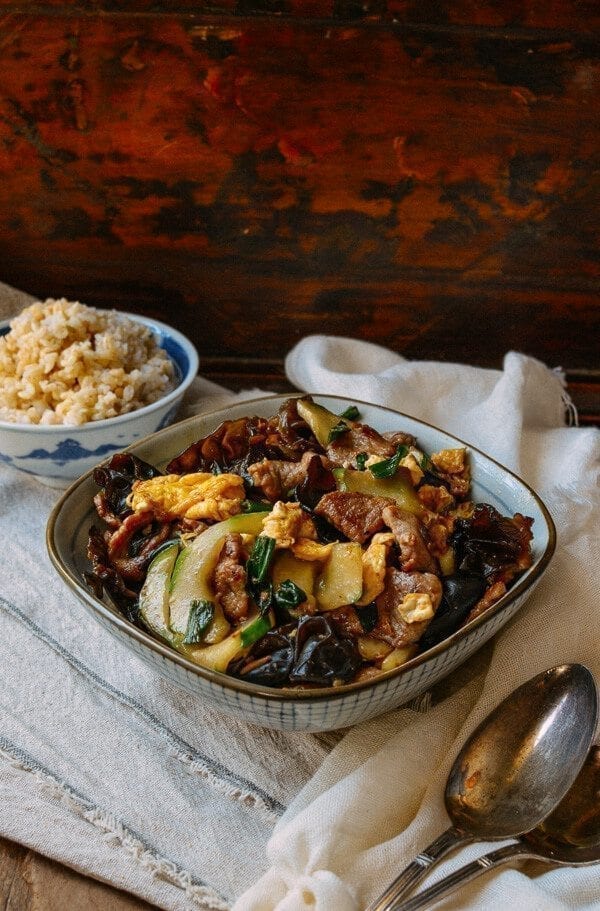
Craving the vibrant, sweet, and savory symphony of your favorite Chinese takeout? Look no further than Moo Shu Pork! This classic dish, renowned for its tender strips of pork, an array of fresh vegetables, and an intoxicating sauce, is not only a delight for the taste buds but also surprisingly simple to master in your own kitchen. Forget the long waits and achieve restaurant-quality flavors in under 30 minutes, all from a single pot.
For decades, Moo Shu Pork has captivated diners with its unique blend of textures and deeply satisfying taste. The secret to its enduring appeal lies in a careful balance: succulent pork that melts in your mouth, crisp-tender vegetables, and a sauce that harmonizes sweet, savory, and umami notes. But how do you recreate that magic at home? The key lies in understanding a few fundamental principles, from choosing the right cut of meat to the art of high-heat cooking and crafting an irresistible marinade.
The Foundation of Flavor & Tenderness: Choosing and Preparing Your Pork
The journey to perfect Moo Shu Pork begins with the star ingredient: the pork itself. Achieving that melt-in-your-mouth tenderness is paramount, and it starts long before the pan even heats up.
Selecting the Ideal Cut and Slicing Technique
- Boneless Pork Chops: A fantastic and readily available option. They cook quickly and absorb marinades beautifully.
- Pork Tenderloin: The epitome of tenderness, pork tenderloin is lean and ensures a truly luxurious texture in your stir-fry.
Regardless of your choice, the crucial step is to
The Magic of Marination: Infusion and Tenderization
A good marinade is the heart and soul of flavorful Moo Shu Pork. It serves a dual purpose: tenderizing the meat and imbuing it with a complex sweet and savory profile.
Our marinade typically combines:
- Orange or Pineapple Juice: Provides a subtle sweetness and a touch of acidity, which helps to break down muscle fibers, leading to a more tender result.
- Hoisin Sauce: A cornerstone of Chinese cuisine, hoisin delivers a rich, sweet, salty, and umami punch. We'll delve deeper into its role shortly.
- Soy Sauce: The essential salty, umami backbone. Opting for low-sodium allows you to control the overall saltiness of the dish.
- Sesame Oil: Adds a distinct nutty aroma and flavor that is characteristic of Asian stir-fries.
- Minced Garlic: Fresh garlic provides a pungent, aromatic foundation.
- Cornstarch: This unassuming ingredient is a secret weapon. It coats the pork, protecting it from the harsh heat of the wok, which contributes to tenderness. Additionally, it helps to thicken the sauce slightly, giving it a luscious consistency.
Allowing the pork to marinate for
Mastering High-Heat Cooking for Tenderness
Stir-frying is a rapid cooking method, and high heat is non-negotiable for achieving tender pork. When the thinly sliced, marinated pork hits a screaming hot pan, two critical things happen:
- Quick Browning (Maillard Reaction): The intense heat rapidly caramelizes the natural sugars and proteins on the pork's surface, creating a flavorful brown crust.
- Sealing in Juices: The swift cooking prevents the meat from releasing too much moisture, ensuring it remains juicy and tender rather than drying out.
This technique is vital for keeping the pork moist and flavorful, making every bite a delight.
Unlocking the Signature Sweet & Savory Profile
Beyond the pork itself, the distinctive taste of Moo Shu Pork is defined by its harmonious blend of sweet, savory, and umami notes, primarily delivered through its key sauce ingredients.
The Essential Sauce Ingredients
- Hoisin Sauce: Often dubbed "Chinese barbecue sauce," hoisin is a complex condiment made from fermented soybeans, garlic, vinegar, and various spices. It's rich, sweet, slightly tangy, and deeply savory, providing the characteristic robust flavor of many popular Chinese dishes. If you don't have hoisin, a serviceable substitute can be made with oyster sauce combined with a touch of brown sugar or honey.
- Soy Sauce: The cornerstone of Asian cooking, providing saltiness and a fundamental umami base. Low-sodium varieties are recommended to give you more control over the dish's seasoning.
- Orange Juice (or Pineapple Juice): This adds a bright, tangy sweetness that beautifully complements the richer, savory elements. Its acidity also contributes to the tenderization of the pork.
- Sesame Oil: Used sparingly, sesame oil (whether regular or toasted) imparts a distinctive nutty, earthy aroma that signals "Asian cuisine." It's often added towards the end of cooking to preserve its delicate flavor.
- Fresh Garlic: Minced garlic adds a sharp, pungent kick that is indispensable for any good stir-fry.
- Cornstarch: As mentioned, it's not just for coating the pork; when mixed into the marinade and later added with the reserved sauce, it helps create a glossy, slightly thickened sauce that clings beautifully to the ingredients.
The Hoisin Debate: Authenticity and Alternatives
While many popular Westernized versions of Moo Shu Pork heavily feature hoisin sauce, it's interesting to note that truly authentic Moo Shu Pork recipes might not call for it. The dish's name, "Moo Shu" (木须肉), literally means "wood ear pork," and is believed to be a phonetic approximation of mù xū ròu, referring to the color and texture of scrambled eggs resembling Osmanthus flowers – a traditional component. In these more traditional preparations, the flavors often come from simpler, high-quality ingredients and seasonings, allowing the natural tastes of the pork and vegetables to shine.
Some authentic recipes, such as those that utilize coconut aminos instead of hoisin, aim for a different flavor profile entirely. Coconut aminos offer a soy-free, gluten-free alternative that provides a similar umami depth with a touch of sweetness, but without the distinct flavor of fermented soybeans found in hoisin. This offers a fantastic way to experiment with different flavor nuances and dietary preferences, proving that there's more than one path to a delicious Moo Shu Pork.
The Art of the Stir-Fry: From Prep to Plate
A successful stir-fry is all about speed and precision. This means having everything ready before the heat even comes on. This concept is known as "mise en place," and it's your best friend for Moo Shu Pork.
The Indispensable Mise en Place
Before you even think about lighting the stove, ensure all your ingredients are prepped:
- Pork thinly sliced and marinating.
- Vegetables (shredded red cabbage, sliced shiitake mushrooms, carrots, bamboo shoots, wood ear mushrooms, etc.) chopped and ready.
- Garnishes (sliced radishes, green onions) prepared.
- Reserved marinade set aside.
- Cooking oil and any remaining sauce ingredients measured.
Because stir-fries cook so quickly, there's no time to chop while ingredients are in the pan. Having everything prepped ensures a smooth, stress-free cooking process and prevents anything from burning or overcooking.
Choosing the Right Cooking Vessel
A large, heavy-bottomed skillet is ideal for Moo Shu Pork. A 12-inch cast iron skillet, for instance, is excellent because:
- Even Heat Distribution: It heats evenly and retains heat exceptionally well, which is crucial for stir-frying.
- Sufficient Space: A large surface area prevents overcrowding, allowing the pork and vegetables to sear and stir-fry properly rather than steam. Overcrowding leads to soggy ingredients and hinders proper browning.
If you don't have a cast iron skillet, any large, sturdy non-stick or stainless steel skillet will work, as long as it can handle high heat.
The Cooking Sequence: Building Layers of Flavor
Once your mise en place is complete and your skillet is hot, the cooking process is rapid:
- Heat the Oil: Add a high smoke point oil like peanut oil (or canola, grapeseed, sunflower) to the hot skillet.
- Cook the Pork: Add the marinated pork in a single layer, ensuring not to overcrowd the pan. Cook in batches if necessary, searing until nicely browned and cooked through, then remove and set aside.
- Sauté Aromatics & Vegetables: Add remaining oil if needed, then quickly stir-fry your harder vegetables (like shiitake mushrooms, carrots) until tender-crisp. Add softer vegetables (like cabbage) towards the end.
- Combine & Sauce: Return the cooked pork to the skillet. Pour in the reserved marinade mixture. Stir-fry everything together for another minute or two, allowing the sauce to thicken slightly and coat all the ingredients.
- Garnish & Serve: Finish with fresh garnishes like sliced green onions and radishes for a pop of color and freshness.
Elevating Your Moo Shu Pork: Tips for Success and Customization
While the core recipe provides a fantastic base, a few additional insights can take your homemade Moo Shu Pork from good to extraordinary.
- Don't Overcrowd the Pan: This cannot be stressed enough for stir-fries. If you add too many ingredients at once, the temperature of the pan will drop, and your ingredients will steam instead of sear. This results in limp vegetables and gray, unappetizing pork. Cook in batches if necessary, especially the pork.
- Adjust to Taste: The beauty of home cooking is customization. Taste your sauce before adding it and after it's incorporated. Adjust sweetness with a touch of honey or sugar, add more soy sauce for saltiness, or a splash of rice vinegar for extra tang.
- Embrace Variety in Vegetables: While red cabbage and shiitake mushrooms are fantastic, don't hesitate to experiment. Thinly sliced carrots, bamboo shoots, wood ear mushrooms, bell peppers, or even snow peas can add diverse textures and flavors.
- Incorporate Egg (Authentic Touch): Many authentic Moo Shu Pork recipes include scrambled eggs, which are quickly cooked and then broken into small pieces to resemble Osmanthus flowers. Simply cook scrambled eggs separately and stir them into the dish at the very end.
Serving Your Masterpiece
Traditionally, Moo Shu Pork is served with thin Mandarin pancakes (mu shu wrappers), which are delightful for wrapping up portions of the savory filling. However, it's equally delicious served over steamed rice, with fresh lettuce wraps for a lighter option, or even tossed with noodles for a complete meal.
Mastering Moo Shu Pork at home is a rewarding culinary adventure. By understanding the importance of tender pork, a balanced sweet and savory sauce, and the swift precision of stir-frying, you can consistently create a dish that rivals your favorite takeout. It’s a testament to how simple techniques, combined with quality ingredients, can yield profoundly delicious results. So, gather your ingredients, fire up your skillet, and prepare to impress your taste buds with this flavorful, quick, and satisfying one-pot wonder!
