Authentic Moo Shu Pork: Hoisin vs. Coconut Aminos Debated
Few dishes capture the imagination and satisfy the palate quite like moo shu pork. This beloved Chinese stir-fry, with its tender strips of pork, vibrant vegetables, and savory sauce, has long been a staple on restaurant menus and in home kitchens worldwide. But delve a little deeper into the world of moo shu pork, and you'll uncover a fascinating debate among chefs and home cooks: the battle of the sauces. Is the rich, sweet-savory punch of hoisin sauce the definitive flavor, or does a more traditional approach, often featuring the subtle notes of coconut aminos, offer a truer taste of authenticity?
In this comprehensive guide, we'll explore both sides of this culinary coin, helping you understand the nuances of each approach and empowering you to craft a Mastering Moo Shu Pork: Secrets for Tender Pork & Bold Flavors experience that perfectly suits your preference. Get ready to stir-fry your way to perfection!
What is Moo Shu Pork? A Culinary Journey Through Flavor and History
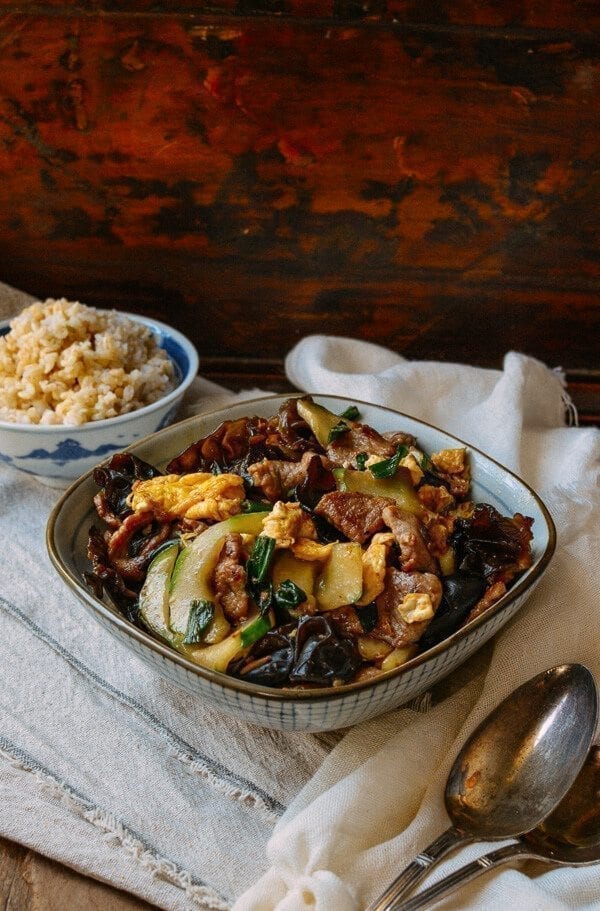
At its heart, moo shu pork (木须肉, Mùxū ròu) is a delightful stir-fry dish characterized by thinly sliced pork, often scrambled eggs, and an array of crisp-tender vegetables like shredded cabbage, carrots, wood ear mushrooms (or shiitake), and lily buds. Traditionally, it's served with thin, crepe-like mandarin pancakes and a brush of hoisin or plum sauce, allowing diners to roll their own flavorful bundles.
The name "Moo Shu" itself holds a charming origin story. While literally translating to "wood ear meat" (referring to a common mushroom ingredient), many believe the "Moo Shu" actually refers to the Osmanthus flower (木犀, Mùxī). The delicate yellow and white blossoms of this Eastern Asian flower are said to be resembled by the small, fluffy pieces of scrambled egg that are often incorporated into the dish. This subtle culinary poetry highlights the dish's historical roots and its emphasis on fresh, distinct ingredients.
Regardless of its exact etymology, moo shu pork stands out for its dynamic textures – from the tender pork to the crunchy vegetables – and its harmonious blend of sweet, savory, and umami flavors, making it a perennial favorite.
The "Takeout Fakeout" Classic: Hoisin's Enduring Appeal in Moo Shu Pork
For many, the quintessential taste of moo shu pork is synonymous with hoisin sauce. This thick, fragrant, reddish-brown sauce is a cornerstone of Cantonese cuisine, celebrated for its complex flavor profile that is simultaneously sweet, savory, tangy, and subtly spicy. It's an ingredient that brings instant depth and familiarity to stir-fries, marinades, and dipping sauces.
When used in moo shu pork, hoisin sauce delivers a bold, robust flavor that coats every ingredient, creating a truly satisfying and often addictive experience. It's the secret behind many popular "takeout fakeout" recipes, allowing home cooks to recreate restaurant-quality dishes with remarkable speed and ease.
Why Hoisin Shines for Quick & Easy Moo Shu:
- Instant Flavor Bomb: Hoisin provides a ready-made flavor base, eliminating the need for extensive seasoning combinations. It typically blends fermented soybeans, garlic, vinegar, sugar, and various spices into one powerful punch.
- Speed and Convenience: Recipes incorporating hoisin often boast incredible speed, with some versions coming together in under 30 minutes in a single pot or skillet. This makes it perfect for busy weeknights.
- Perfect Marinade Component: Hoisin's thickness and rich flavor make it an excellent base for marinating pork. Combined with ingredients like orange juice (or pineapple juice), soy sauce, sesame oil, garlic, and cornstarch, it tenderizes the meat while infusing it with those signature sweet and savory notes.
- Versatility: If you don't have hoisin, a common substitute involves combining oyster sauce with a touch of brown sugar or honey, mimicking that characteristic sweet-savory balance.
To achieve the best results with a hoisin-based moo shu pork, remember these tips:
- Choose the Right Pork: Boneless pork chops or pork tenderloin, sliced thinly, are ideal for quick, even cooking.
- Marinate Smart: Allow the pork to marinate for at least 5 minutes. This is crucial for tenderness and flavor infusion. Don't forget to reserve about ½ cup of the marinade before adding the pork; this becomes your flavorful sauce base!
- High Heat is Key: Use a large skillet (a 12-inch cast iron works wonderfully) over high heat. This quickly browns the pork, sealing in juices and maintaining tenderness, and ensures your vegetables cook to a crisp-tender perfection without becoming soggy.
- Mise en Place: Have all your vegetables—shredded red cabbage, sliced shiitake mushrooms, carrots, radishes, and green onions—prepped and ready. This dish cooks fast, so you won't have time to chop mid-process.
For a fantastic recipe that leverages the convenience and flavor of hoisin, check out our guide: Minute One-Pot Moo Shu Pork: Your Takeout Fakeout Guide.
Embracing Authenticity: The Case for Coconut Aminos in Moo Shu Pork
While hoisin sauce undoubtedly creates a delicious and widely loved version of moo shu pork, many traditionalists and health-conscious cooks argue that an authentic Chinese moo shu pork recipe doesn't actually call for hoisin. Instead, they champion a more nuanced flavor profile that allows the quality of the individual ingredients to truly shine.
This is where coconut aminos enter the conversation. Coconut aminos, a savory seasoning sauce made from the fermented sap of coconut palm and sea salt, has gained significant popularity as a gluten-free, soy-free, and lower-sodium alternative to soy sauce. In the context of "authentic" moo shu pork, it's not merely a substitute but an intentional choice to achieve a different depth of flavor.
Why Coconut Aminos for Authentic Moo Shu:
- Subtle Sophistication: Rather than the overt sweetness of hoisin, coconut aminos offer a milder, slightly sweeter, and distinctly umami taste. This allows the inherent flavors of the pork, the earthiness of shiitake mushrooms, and the freshness of the vegetables to come to the forefront.
- Traditional Flavor Profile: In many regional Chinese cuisines, the emphasis is often on balancing fresh aromatics like garlic and ginger, high-quality proteins, and crisp vegetables with simpler seasonings. Coconut aminos fit this profile by providing a savory base without overpowering other elements.
- Health-Conscious Choice: For those avoiding gluten or soy, or seeking lower-sodium options, coconut aminos are an excellent choice. They align well with paleo, keto, and Whole30 diets, making moo shu pork accessible to a wider range of dietary needs.
- Focus on Core Ingredients: When using coconut aminos, the "layers of flavors and textures" come from the careful preparation of the main ingredients: perfectly marinated pork, crunchy cucumbers and carrots, and the distinctive addition of scrambled eggs, which are crucial for the "Osmanthus flower" resemblance.
The authentic approach leans on thoughtful marination with ingredients like garlic, rice wine (or dry sherry), a touch of sugar, and of course, the coconut aminos. The cooking process remains similar – high heat, quick stir-frying – but the resulting flavor is often described as cleaner, more complex, and deeply satisfying in its own right.
Crafting Your Perfect Moo Shu Pork: Beyond the Sauce Debate
Whether you lean towards the bold flavors of hoisin or the nuanced authenticity of coconut aminos, several universal principles will elevate your moo shu pork to restaurant quality. Mastering these foundational techniques ensures delicious results every time.
Pork Perfection:
- Thin Slices are Key: Always slice your boneless pork chops or tenderloin as thinly as possible. This ensures quick, even cooking and maximizes the surface area for the marinade to penetrate, leading to incredibly tender meat. Partially freezing the pork for 20-30 minutes can make slicing easier.
- Marination is Non-Negotiable: Even a short 5-minute marinade makes a significant difference. It tenderizes the pork and infuses it with flavor, whether from a hoisin-based blend or a more traditional mix of coconut aminos, garlic, and other seasonings.
- Sear, Don't Steam: Cook your pork in batches if necessary, ensuring not to overcrowd the pan. High heat is essential to achieve a quick sear and lock in juices. Overcrowding lowers the pan temperature, steaming the meat instead of browning it, which can result in tough, gray pork.
Vegetable Vitality:
- Mise en Place, Always: This French culinary term, meaning "everything in its place," is paramount for stir-fries. Have all your vegetables (shredded red cabbage, sliced shiitake mushrooms, matchstick carrots, julienned cucumbers, thinly sliced radishes, green onions, and any other desired additions) chopped, measured, and ready to go. The cooking process is incredibly fast, leaving no time for last-minute prep.
- Variety and Texture: A good moo shu pork balances cooked and fresh vegetables. While cabbage and mushrooms are typically stir-fried, garnishes like fresh radishes, cucumbers, and green onions add a delightful crunch and freshness at the end.
Cooking Technique Essentials:
- The Right Pan: A large, heavy-bottomed skillet, such as a 12-inch cast iron or a sturdy wok, is ideal. Its ample surface area allows ingredients to cook evenly without steaming, achieving that characteristic stir-fried texture.
- Oil Choice: Peanut oil is a popular choice for its high smoke point and subtle flavor, but canola, grapeseed, or even vegetable oil work well.
- Incorporate Eggs (Optional, but Recommended): For a truly authentic experience, don't skip the scrambled eggs. Cooked separately and then gently folded into the finished dish, they add richness, texture, and pay homage to the "Osmanthus flower" origin.
Conclusion: Your Moo Shu, Your Choice
The debate between hoisin and coconut aminos in moo shu pork isn't about one being inherently "better" than the other, but rather about the kind of culinary experience you seek. The hoisin-forward approach offers a quick, bold, and satisfying flavor profile that mirrors many beloved takeout versions, perfect for those seeking a sweet and savory punch. The coconut aminos route, on the other hand, provides a more nuanced, potentially healthier, and traditionally-aligned flavor that allows the natural goodness of the ingredients to shine through.
Ultimately, the best moo shu pork is the one you love to eat. Experiment with both styles, adjusting seasonings to your taste. Whether you prefer the vibrant familiarity of a hoisin-glazed stir-fry or the subtle authenticity offered by coconut aminos, the joy of creating this classic dish at home, tailored to your palate, is a reward in itself. So, grab your skillet, prep your ingredients, and embark on your own delicious moo shu pork adventure!
